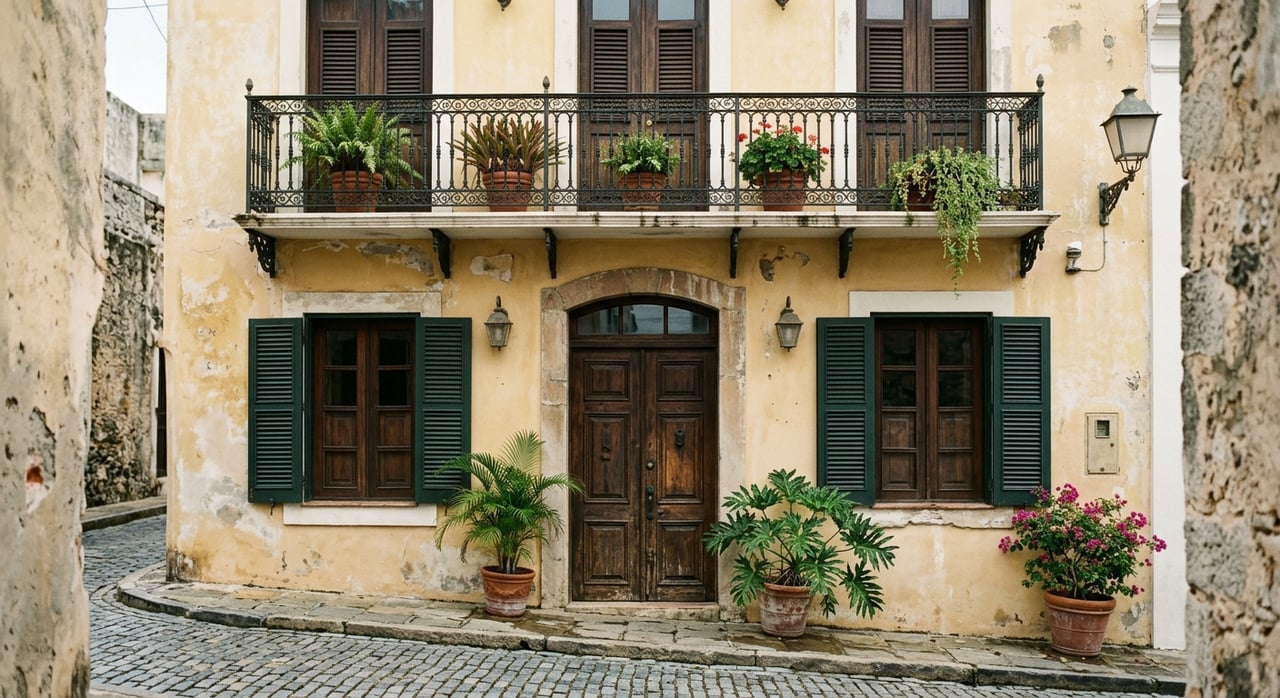
Buying in Old San Juan can feel like buying a piece of history, because in many ways, you are. The charm is real, but so are the tradeoffs that come with owning property in one of Puerto Rico’s most regulated and visually iconic places. If you are considering a purchase here, you need more than admiration for pastel facades and cobblestone streets. You need a clear view of what ownership actually involves. Let’s dive in.
Why Old San Juan Feels So Different
Old San Juan is not a typical condo or townhouse market. It is a compact historic district on the San Juan islet with deep architectural and cultural significance. According to the National Park Service, it is the only surviving example of an almost 400-year-old Spanish colonial city in the United States.
That distinction shapes the market in a practical way. The district includes hundreds of parcels and buildings, and the value of many properties is tied not only to location, but also to the preservation of the built environment itself. UNESCO recognition and National Park system protection add prestige, but they also reinforce that this is a place where oversight matters.
For you as a buyer, that means Old San Juan offers something rare. You are not just buying square footage. You are buying into a historic urban setting where architecture, streetscape, and long-term character all influence value.
What Buyers Love About the Lifestyle
Old San Juan appeals to buyers who want walkability, visual character, and a strong sense of place. Thousands of people live and work there daily, and the area blends residential use with shops, restaurants, public spaces, and tourism activity.
That creates a lifestyle that feels active and connected. You can enjoy daily errands on foot, easy access to historic landmarks, and a level of street life that is hard to replicate in more modern neighborhoods. For some buyers, that energy is exactly the point.
The same qualities can also support investment appeal. Visitor traffic, artisan markets, and major annual events keep Old San Juan highly visible. Still, visibility and vibrancy come with tradeoffs, especially if you expect a quiet, car-centered ownership experience.
Preservation Rules Come First
Renovations Are Not Fully Flexible
One of the biggest mistakes buyers make is assuming a historic property can be updated like any other older home. In Old San Juan, meaningful work often involves preservation review and permitting, not just standard construction planning.
Puerto Rico’s Institute of Puerto Rican Culture, or ICP, issues recommendations tied to permits and actions involving historically designated properties. That can include demolition, partial demolition, new construction, major interventions, use approvals, sign installation, painting, and lot changes. In San Juan, certain tax relief related to construction also depends on a favorable recommendation before work begins.
In plain terms, your renovation scope should be realistic from the start. Even projects that seem straightforward may move more slowly if they affect protected exterior features or trigger historic review.
Exterior Changes Face Added Limits
Historic-district ownership also comes with rules that many buyers do not expect. ICP states that billboards, pylons, and murals are not allowed in historic sites or zones.
That tells you something important about the approval mindset. Exterior changes are reviewed through the lens of preservation, not just style. If your vision depends on major facade changes or highly personalized exterior elements, you need to confirm what is possible before you close.
There May Be Tax Benefits
There can be upside for owners who restore or rehabilitate a property in compliance with the applicable rules. ICP states that owners of properties in historic zones that have been restored, rehabilitated, or conserved according to the law may seek contributive exemptions through the required certification process.
For the right buyer, that can be attractive. But it only works if you are prepared for a regulated restoration path, careful documentation, and a process-driven timeline.
Look Past the Facade During Due Diligence
Historic Beauty Can Hide Structural Complexity
Old San Juan’s buildings often include masonry walls, stucco finishes, and wood balconies. The National Park Service also notes that earlier construction methods and later facade updates can make buildings more complex than they first appear.
That matters because a beautiful exterior does not always tell you what is happening underneath. Facades may conceal earlier floor plans, hidden structural interventions, or layers of repairs from different periods. Some buildings are also unusually narrow, which can affect layout, access, and renovation planning.
Focus Your Inspection on the Right Issues
If you are seriously considering a property, your due diligence should go beyond a standard visual walkthrough. You want to understand the roof condition, facade stability, balcony support, moisture intrusion, prior additions, and any visible or hidden structural reinforcement.
This is especially important in a market where preservation-quality condition influences value. A property that photographs well may still need meaningful investment to perform well over time.
Ask About Hurricane Repair History
Repair history matters in Old San Juan, especially after major storms. In 2023, FEMA-backed repairs for several centuries-old structures in Old San Juan had to comply with U.S. Department of the Interior historic rehabilitation standards, and the official release linked that funding to Hurricane Maria damage.
For you, the practical takeaway is simple. Do not just ask whether repairs were completed. Ask how they were completed, when they were done, and whether the work followed preservation standards that fit the district.
Parking and Access Are Part of the Decision
Resident Parking Is Limited
Old San Juan is far more restrictive for drivers than many buyers expect. The municipality limits parking seals for residents of Old San Juan and La Perla, with a maximum of two seals per dwelling unit.
That can help, but it does not eliminate the reality of limited space. Many owners still need to think in terms of walking, public transportation, or nearby municipal parking options.
Access Can Be Controlled During Events
The municipality also has the authority to control vehicle access in Old San Juan for security and public order. During those periods, access may be limited to permitted residents and merchants, transit drop-off and pick-up, certain priority groups, emergencies, government vehicles, and parking subscribers.
If you plan to own in Old San Juan, this should not be treated as a rare inconvenience. It is part of how a dense, historic, high-traffic district functions.
Noise, Tourism, and Event Activity
Expect an Active Urban Setting
Old San Juan is lively, not isolated. San Juan’s public-order code regulates noise and restricts certain nighttime use of household and construction equipment, but the broader point is that this is regulated urban fabric with regular public activity.
That means you should expect ambient noise, seasonal surges, and event-driven congestion. If you are seeking stillness above all else, that may shape which blocks or building types deserve your attention.
Tourism Brings Both Energy and Pressure
The municipal tourism office operates multiple tourist information centers in Old San Juan, along with permanent artisan markets whose schedules respond to cruise activity. Discover Puerto Rico also reported strong visitor numbers and cruise arrivals, which helps explain why the district often feels full of movement.
Major events can amplify that experience. During Fiestas de la Calle San Sebastián, for example, the area fills with music, artisans, and late-night activity, and public transit is often recommended because parking is limited.
For some buyers, this is part of the appeal. For others, it is a reason to evaluate not just the property itself, but also the block, access pattern, and likely seasonal rhythm.
Who Old San Juan Fits Best
Old San Juan tends to work best for buyers who value heritage, walkability, and urban energy more than convenience of parking or renovation freedom. It can also appeal to investors who understand that the same factors that support demand can also slow execution and add complexity.
In other words, this is not the easiest market. It is a distinctive one. If your expectations are aligned with the district’s rules and realities, the ownership experience can be deeply rewarding.
If you are weighing an Old San Juan purchase against Condado or another San Juan option, a property-level strategy matters. The right fit often comes down to how you want to live, how much project complexity you can absorb, and whether the building’s condition supports your goals.
Buying in a historic district is rarely about moving fast. It is about asking better questions early, understanding what the property can and cannot become, and entering the transaction with a plan. If you want discreet, informed guidance as you compare opportunities in San Juan, Ana Rivera can help you evaluate the details with clarity.
FAQs
What makes buying in Old San Juan different from buying in Condado Beach?
- Old San Juan is a historic district with preservation oversight, older building systems, more restrictive parking and access conditions, and stronger renovation limits than a typical urban condo market.
Can you renovate a property freely in Old San Juan?
- No. Major exterior work, structural changes, certain use changes, painting, signage, and other interventions may require preservation review and permitting.
What should buyers inspect before purchasing in Old San Juan?
- Focus on roof condition, facade stability, balcony support, moisture intrusion, prior additions, hidden structural interventions, and the details of any past storm-related repairs.
Is parking realistic for full-time Old San Juan residents?
- It can be manageable, but parking is limited enough that many residents still rely on walking, transit, or nearby municipal parking options.
Is Old San Juan a good investment location for buyers?
- It can be, but success depends on whether your use plan fits preservation rules and whether you are prepared for slower approvals and more complex restoration work.