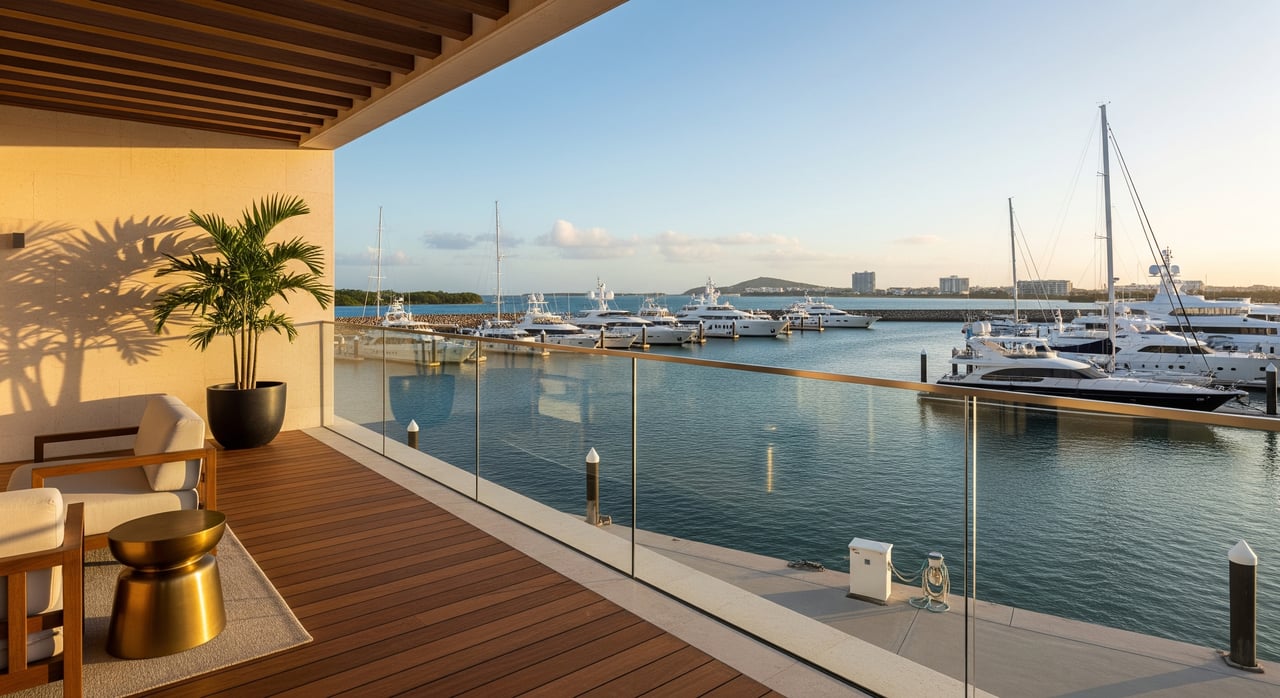
If you want to invest where boat life meets city convenience, the area around Club Náutico de San Juan and San Juan Bay Marina belongs on your shortlist. You get waterfront views, walkable amenities, and steady visitor traffic that can boost rental income. In this guide, you’ll see how slips, services, and HOA rules shape returns and resale value for condos and townhomes in Condado and Miramar. Let’s dive in.
Why Condado and Miramar work for investors
Condado and Miramar sit at the heart of San Juan’s high-amenity corridor. You can walk to restaurants, boutique hotels, nightlife, and the waterfront while staying minutes from Old San Juan and the airport. This mix draws short-stay visitors, corporate travelers, and second-home buyers.
Marina proximity adds another demand layer. Visiting yacht owners and crews look for lodging near dockage and services, which supports premium nightly rates in peak months. Seasonal sailing events and the U.S. winter travel window can lift both occupancy and ADR for well-positioned units.
Property types near the marinas
High-rise condos in Condado
Condado’s towers offer views and full-service amenities. Many include on-site staff, security, and structured parking. HOAs may limit short-term rentals, so always verify rules and minimum stays before underwriting returns.
Low-rise condos and townhomes in Miramar
Miramar features more townhome and low-rise options that appeal to buyers who want extra space and a neighborhood feel. Buildings can be smaller, with different HOA policies than large towers. Walkable access to San Juan Bay Marina and neighborhood dining helps both nightly rates and resale appeal.
Boutique and mixed-use buildings
Smaller developments with ground-floor retail can improve guest convenience. On-site cafes, services, or concierge support are attractive to transient boaters and business travelers. Verify commercial-use language in the condominium regime and any impacts on insurance or noise.
Marina amenities that move the needle
Slips: deeded vs leased vs guest dock
A deeded slip recorded with the property title is rare and typically commands the highest premium. Leased or assigned slips depend on marina policies, renewals, and fees. Guest dockage can still support revenue for short stays but adds uncertainty at resale if not guaranteed.
On-site services and club access
Fueling, pump-out, maintenance, security, and docking concierge services increase appeal to boat owners. Club Náutico membership can add an intangible premium for buyers who value events and community. Confirm whether any membership benefits are transferable with the unit.
Views, walkability, and building features
Water views and easy access to the marinas, Old San Juan, and dining widen your buyer and guest pool. Building resilience features matter in Puerto Rico: impact windows or shutters, elevated mechanicals, secure parking, gear storage, and backup power. These reduce risk and support pricing power.
Strategy: buy-to-rent vs buy-to-hold
Both strategies can work near Club Náutico and San Juan Bay Marina. Your best fit depends on HOA rules, insurance costs, slip access, and your tolerance for seasonality.
Buy-to-rent (short-term)
Proximity to marinas can lift ADR when combined with views, quality finishes, and guest-friendly building policies. Your core demand segments include leisure travelers, visiting yacht owners and crews, event attendees, and corporate guests. Expect winter to be the strongest season, with softer off-season months.
Operationally, you need an on-island manager who understands marina guest logistics. You must comply with licensing, safety, and tax registration for short-term lodging and confirm HOA rules on minimum stays, caps, or blackout periods. Benchmark ADR, occupancy, and RevPAR with local short-term rental data sources before projecting returns.
Buy-to-hold (long-term)
For a steadier profile, longer leases to local tenants or corporate clients can reduce turnover and operating complexity. Appreciation drivers include the scarcity of deeded-slip properties, strong waterfront lifestyle demand, and limited marina-adjacent supply. Evaluate long-term exposure to storms, rising insurance costs, and potential HOA assessments for seawalls or common elements.
Puerto Rico has specialized tax incentives often referred to as Act 60. The benefits and requirements are complex, so consult a Puerto Rico tax specialist to assess eligibility and structuring. Standard non-resident investors should underwrite based on commonwealth and U.S. tax rules unless they plan to pursue incentives.
How boating amenities influence exit value
Who pays a premium
Your primary buyer pools include boating enthusiasts, second-home buyers, and income-focused investors if rentals are allowed. Properties that blend water views, walkability, and flexible rental policies reach the widest audience. A larger buyer pool typically improves resale liquidity.
Value components to watch
A deeded slip can be the single largest premium driver due to scarcity and transferability. Routine marina services and security strengthen perceived value and saleability. Views, guest dock options, and proximity to dining and Old San Juan support both ADR and resale even for non-boaters.
Liquidity and market sensitivity
Units with deeded slips sell well to boat owners, while conditional slip access can narrow your buyer pool and require discounting. Rental restrictions affect investor demand, so confirm policies early. Specialty assets can experience larger price swings in a downturn, so size your reserves conservatively.
How to quantify the premium
Anchor your exit value to recent closed sales of units with comparable slip arrangements. Compare sales where slips and memberships were included versus excluded over the last several years. Treat general waterfront comps as directional only if the slip situation is not the same.
Risks to underwrite in Condado and Miramar
Hurricanes, storm surge, and flooding are real considerations near the bay. Check flood zones and obtain elevation information to price wind and flood coverage correctly. Expect higher premiums and hurricane deductibles and compare quotes from multiple carriers.
Review HOA reserve studies, budgets, and minutes for storm repairs and seawall work. Model slip-related fees, transfer costs, and any restrictions on renting units that include slip rights. Track regulatory changes around short-term rentals, licensing, and taxes, since rules can evolve.
Due diligence checklist
Legal and title
- Confirm whether any slip is deeded, licensed, or assigned, and that it transfers with the unit.
- Review the condominium declaration and marina easements for rental rules and slip allocations.
- Check for encroachments or maritime liens.
Financials and operations
- Request historical rental income, occupancy, and expenses for 12 to 36 months.
- Analyze HOA budgets, reserve studies, and special assessments, especially post-storm.
- Itemize all recurring marina costs, slip fees, and transfer charges.
Physical and environmental
- Verify FEMA flood mapping and obtain an Elevation Certificate if needed.
- Inspect for storm hardening: impact windows or shutters, elevated mechanicals, and generator capacity.
- Review seawall condition and any planned marine infrastructure projects in San Juan Bay.
Insurance and taxes
- Get quotes for property, wind, flood, and liability coverage and confirm deductible structures.
- Verify registration and collection for transient occupancy and sales/use taxes if renting short term.
- Consult a Puerto Rico tax specialist on commonwealth taxes and any incentive options.
Market and management
- Confirm HOA minimum stays, rental caps, guest-dock usage, and manager requirements.
- Benchmark ADR and occupancy with local short-term rental data sources for marina-adjacent comps.
- Vet marina management reputation, dock maintenance history, and slip waitlists.
Positioning for premium nightly rates
Lead with what marina guests value most: easy access to dockage, secure gear storage, and reliable power. Highlight water views, walk-to-dining convenience, and quiet, comfortable work areas for crews and corporate travelers. Offer guidance on local marina contacts for guest dockage and services, and maintain responsive on-island management.
Next steps in Condado and Miramar
- Define your strategy: short-term, long-term, or hybrid based on HOA rules and your risk tolerance.
- Validate demand, ADR, and occupancy using local benchmarks for marina-adjacent listings.
- Confirm slip structure, fees, and transferability in writing before finalizing price.
- Underwrite insurance and potential HOA assessments with conservative reserves.
- Engage a local real estate attorney, a tax specialist, and, if relevant, marina officials before you commit.
If you are weighing several buildings or need help sourcing off-market options with slip potential, our founder-led team is ready to move quickly and discreetly.
Ready to explore marina-adjacent opportunities in Condado and Miramar? Reach out to HECO PROPERTIES for a confidential, data-driven plan.
FAQs
Do deeded boat slips increase resale value in Condado and Miramar?
- Generally yes. Deeded slips are scarce and transferable, which attracts boat owners. Price the premium using recent local sales where slips were included.
Can I count on higher nightly rates just for being near the marina?
- Proximity helps, but the premium depends on views, amenities, slip access, seasonality, and rental rules. Confirm performance with local short-term rental data.
How do HOA rules affect a short-term rental strategy?
- HOAs can set rental caps, minimum stays, registration needs, or prohibit short-term rentals. Get and review the documents before you model income.
What are the key insurance considerations by the bay?
- Expect higher wind and flood exposure, hurricane deductibles, and documentation needs like elevation certificates. Compare quotes from multiple carriers.
Does Puerto Rico offer investor tax incentives for these properties?
- Puerto Rico offers specific incentive programs, often called Act 60, that may benefit certain new residents or businesses. Consult a Puerto Rico tax specialist.
Are marina-adjacent units more or less liquid at resale?
- Liquidity depends on slip ownership, rental policies, and market conditions. Deeded slips can attract a niche buyer pool, while flexible rental rules broaden appeal.