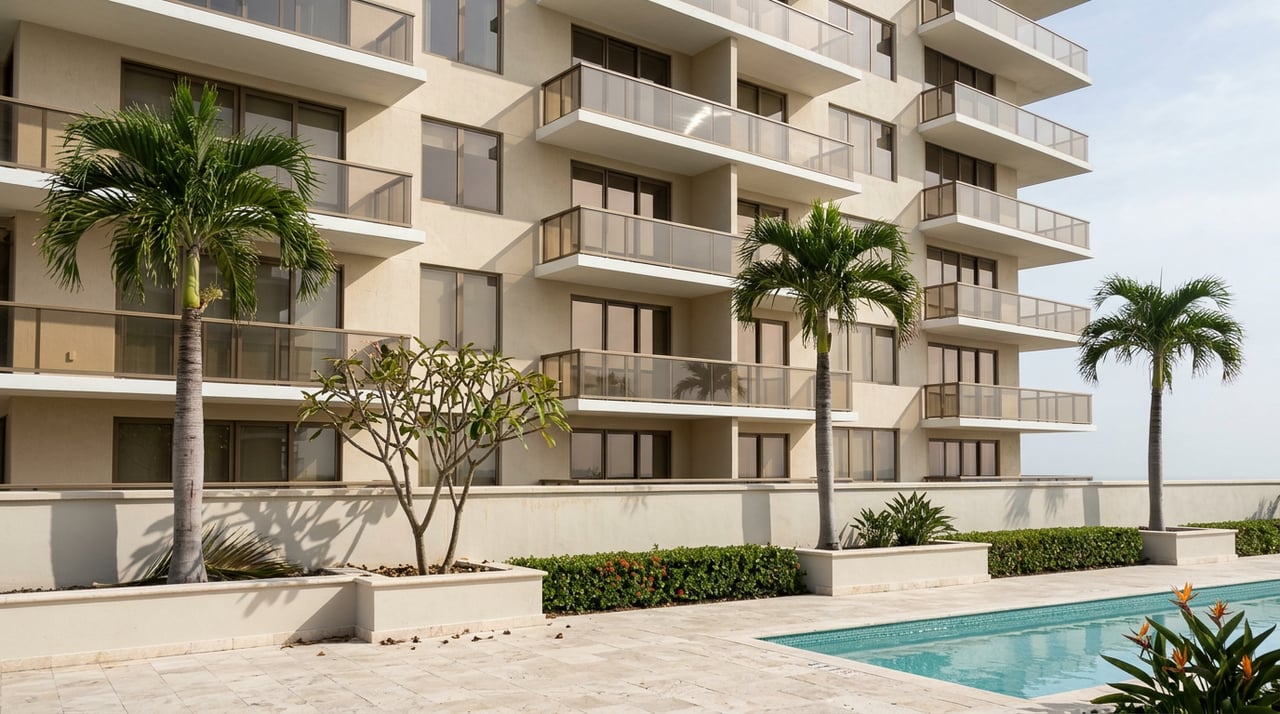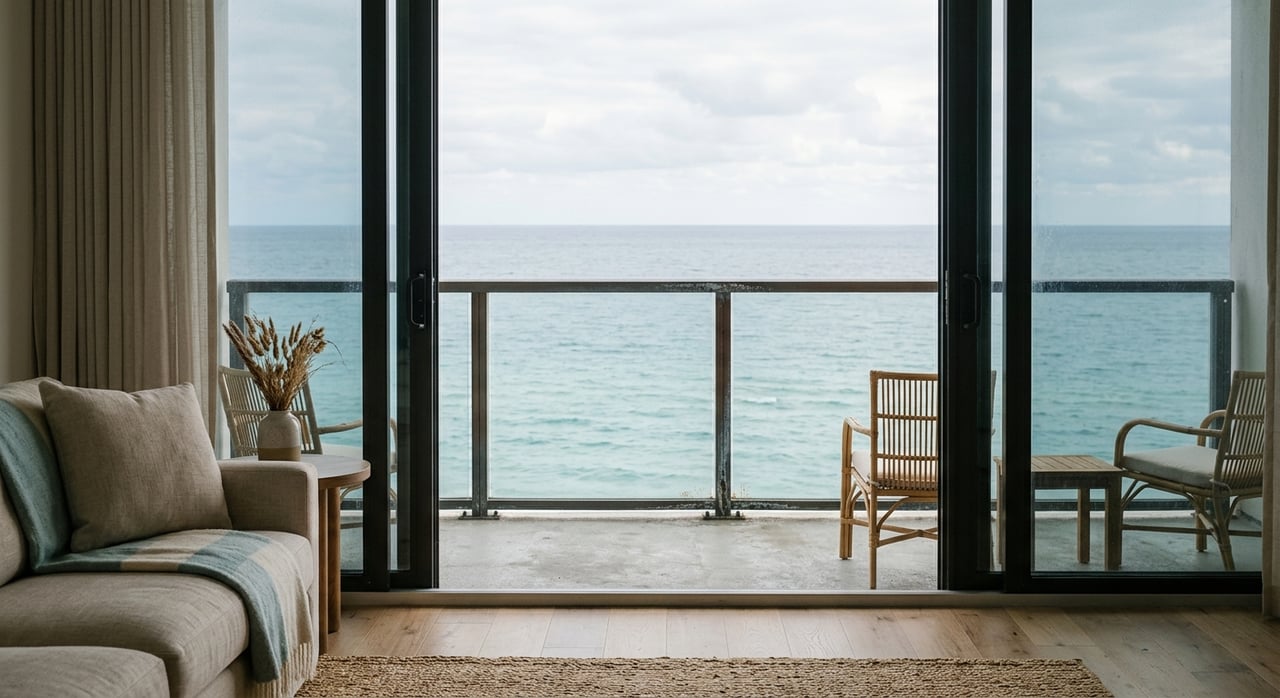
Buying or owning a waterfront condo in Miramar can feel like a dream until you start looking at the real carrying costs. In a coastal San Juan location like Condado Beach and nearby Miramar, the view is only part of the story. You also need to understand flood exposure, building insurance, reserve funding, and the maintenance demands that come with salt air and humidity. If you want to make a smarter purchase or protect the condo you already own, these are the details that matter most. Let’s dive in.
Why waterfront condo risk is layered
For waterfront and lagoon-view condos, risk is not just about being close to the water. It is a combination of flood exposure, insurance structure, legal condo obligations, and ongoing maintenance. That is why two properties that seem similar on the surface can carry very different long-term costs.
According to FEMA’s flood guidance, flood insurance is separate from standard homeowners coverage, and there is no true no-risk zone. In practical terms, that means you should review each condo by address rather than assume a broader neighborhood label tells the whole story.
Check flood exposure by address
One of the first steps in condo due diligence is confirming the property’s flood status. FEMA notes that coastal flooding, heavy rain, drainage issues, and even nearby construction can affect loss potential. In a dense coastal area, exposure can change from block to block.
The official place to verify this is the FEMA Flood Map Service Center. Before you rely on lender paperwork or assume the association has already accounted for flood risk, it helps to check the address yourself and review the available flood-hazard products.
Understand what the master policy covers
Many condo buyers assume the association’s insurance policy covers everything that matters. In reality, condo insurance often works in layers, and the building’s master policy may not fully protect your unit, your contents, or interior improvements.
The Consumer Financial Protection Bureau explains that condo dues often include master insurance for common areas, but owners still need their own insurance for the unit. This is especially important in coastal buildings, where disaster risk, rebuilding costs, and building characteristics can affect premiums and coverage needs.
Puerto Rico’s Condominium Law also allows the Council of Titulares to insure the building against risk for common, procomunal, and limited areas, and in some cases original privative elements built into the structure may also be covered under the communal policy. You can review that directly in Law 129-2020.
Key insurance documents to request
Before you buy, ask for:
- The master policy declarations page
- Current proof of any flood policy
- A summary of what is covered in common areas versus inside the unit
- Deductible amounts
- Any recent claims history involving water intrusion or storm damage
These documents can help you understand where the association’s protection ends and where your personal policy needs to begin.
Flood insurance is its own decision
Flood insurance deserves separate attention because standard homeowners coverage usually does not cover flood damage. FEMA states that National Flood Insurance Program policies generally have a 30-day waiting period unless the coverage is tied to a lender requirement or a map change.
That timing matters in Puerto Rico’s storm-prone environment. If you wait until a storm is on the horizon, it may already be too late to secure coverage in time.
FEMA also distinguishes between a Residential Condominium Building Association Policy and unit-owner coverage forms. That means you should verify whether the association has flood coverage in place and whether you still need separate protection for contents or improvements inside your condo.
Review reserve funding before you buy
A condo’s monthly dues only tell part of the cost story. What often matters more is whether the building has enough reserves to handle major repairs without relying on sudden special assessments.
Under Puerto Rico’s Condominium Law, the annual budget must include a reserve fund of at least 5% of yearly expenses, with deposits made monthly into a separate reserve account until the fund reaches 2% of reconstruction value. That reserve framework helps support urgent and extraordinary work, but it does not automatically mean a building is fully prepared for every major event.
If a building is uninsured or insurance proceeds are not enough to cover reconstruction, the law provides that reconstruction costs may be spread among owners according to their participation. That is one reason special assessment risk should be part of your affordability review, not an afterthought.
Reserve questions worth asking
Ask the association or seller for clarity on:
- Current reserve balance
- Recent reserve contributions
- Major projects planned in the next few years
- Any history of special assessments
- Whether the budget reflects unpaid fees or prior derramas
As a practical best-practice lens, CAI’s reserve-study guidance supports proactive reserve planning to reduce unexpected assessments.
Emergency planning matters more than many buyers expect
Owning in a coastal condo means hurricane planning should be part of your annual routine. NOAA confirms that the Atlantic hurricane season runs from June 1 through November 30, so preparedness is not a one-time exercise.
Puerto Rico law requires every condominium to maintain a disaster and emergency plan, update it annually, and communicate it to owners. The same law also requires notification of key board and manager contact information to local authorities and requires plans for water and electricity rationing during disaster periods, as outlined in Law 129-2020.
That means a buyer should not only ask whether an emergency plan exists, but also whether residents understand how it works. Ready.gov’s hurricane toolkit recommends keeping important records secure, maintaining supplies, knowing evacuation routes, and following official evacuation guidance.
What to ask about storm readiness
When reviewing a Miramar-area waterfront condo, ask:
- Does the building have a current disaster plan?
- How is the plan shared with owners and residents?
- Are emergency contacts updated annually?
- What are the protocols for water and power interruptions?
- Has the building had recent storm-related insurance claims or flooding events?
Coastal maintenance is not cosmetic
In waterfront buildings, maintenance problems often start quietly. Salt spray, humidity, and wind-driven rain can create damage long before it becomes visible in a listing photo or showing.
FEMA’s coastal corrosion guidance notes that salt spray and high humidity accelerate corrosion of metal connectors, fasteners, and related materials. In condo settings, that can affect railings, exposed hardware, anchors, and other metal components that need recurring inspection.
FEMA also warns that damaged roof flashing and wind-driven rain can lead to leaks, corrosion, dry rot, and mold. Balcony and deck waterproofing are also important inspection items, especially in buildings with terraces, slabs, or exterior amenity spaces.
Control moisture before it grows
In Puerto Rico’s humid coastal climate, a small leak can become a bigger issue quickly. The EPA recommends keeping indoor relative humidity below 60%, drying wet materials within 24 to 48 hours, and checking HVAC drip pans and drain lines routinely.
That matters because moisture damage is not only a repair issue. It can also affect indoor air quality, finishes, and the long-term condition of the unit.
FEMA also notes that NFIP flood policies do not cover mold damage. After a storm or water event, prompt drying, careful documentation, and professional remediation can help limit the financial impact.
Practical maintenance checklist
Whether you are buying or already own, focus on these recurring items:
- Inspect railings and exposed metal for corrosion
- Review roof and flashing maintenance history
- Ask when balcony or terrace waterproofing was last renewed
- Check seals, drains, and HVAC drain lines regularly
- Respond quickly to leaks or condensation issues
- Ask about prior mold or repeated water-intrusion claims
These questions are especially useful during due diligence because they get closer to the building’s real condition than cosmetic finishes do.
Focus on the true carrying cost
For many buyers, affordability is not just the mortgage payment. The CFPB advises that condo dues should be treated as a real monthly housing cost, and in a coastal building that is only one piece of the picture.
The true carrying cost of a waterfront condo can include:
- Monthly association dues
- Your unit-level insurance premium
- Flood insurance, if required or advisable
- Reserve contributions built into dues
- Potential future special assessments
- Ongoing maintenance tied to moisture and corrosion exposure
That is why the best waterfront condo decisions are usually made with a full view of both lifestyle and risk.
Smart due diligence for Miramar-area condos
If you are considering a waterfront condo near Miramar and Condado Beach, your most valuable questions are often the least glamorous ones. Verify flood-zone status, review the scope of the master policy, examine reserve funding, confirm the disaster plan, and ask directly about past water intrusion.
Those steps can help you avoid surprises after closing and make a more confident decision about value. In coastal Puerto Rico real estate, strong due diligence is part of protecting both your lifestyle and your investment.
If you want discreet, informed guidance as you evaluate coastal condos in San Juan, Ana Rivera can help you review the details that shape real ownership cost and long-term confidence.
FAQs
What insurance should you review before buying a waterfront condo in Miramar?
- You should review the condo association’s master policy declarations, confirm whether there is flood coverage for the building, and understand what unit-level insurance you still need for interiors, contents, and improvements.
How do you check flood risk for a Miramar or Condado Beach condo?
- The official first step is to search the property address through the FEMA Flood Map Service Center and review the available flood-hazard products for that specific location.
Does Puerto Rico condo law require reserve funding for condominium buildings?
- Yes. Puerto Rico’s Condominium Law requires the annual budget to include a reserve fund of at least 5% of total yearly expenses, with monthly deposits into a separate reserve account until the fund reaches 2% of reconstruction value.
Why is maintenance more demanding in a waterfront condo in San Juan?
- Coastal salt spray, high humidity, and wind-driven rain can speed up corrosion, leaks, waterproofing failures, and mold risk, which is why recurring inspections and fast response to moisture issues are so important.
What emergency planning should you ask about in a Puerto Rico condo building?
- You should ask whether the building has a current disaster and emergency plan, how it is shared with owners, what procedures exist for water and power interruptions, and whether emergency contacts are updated each year.
Can condo association dues fully protect you from future special assessments?
- Not necessarily. Even with regular dues, owners can still face additional costs if reserves are weak, major repairs are needed, or insurance proceeds are not enough to cover reconstruction after a loss.